
Your wedding day is full of fleeting, meaningful moments — and preserving those memories isn’t just about capturing them, but also about storing them well for the years (and generations) to come. Whether you're safeguarding your digital gallery or protecting your film negatives and prints, the way you store your memories directly impacts their longevity and quality.
PS these tips are written from the perspective of archiving wedding media, but are really applicable for all the media you're hoping to store for longterm safekeeping!
Here are our expert tips on how to safely store your digital files, film negatives, and physical prints so your most cherished moments stay protected, preserved, and ready to relive forever:
📁 Tips for Safely Storing Digital Files
Digital files are wonderfully convenient—but they’re also vulnerable to data loss if not handled intentionally. Here’s how to ensure your photos and videos stay secure:
1. Download Immediately
As soon as your gallery is delivered, download all high-resolution files to your personal device. Don’t rely on the delivery link to always remain active.
2. Back Up in Multiple Locations
The golden rule? Redundancy. Use at least two of the following:
- An external hard drive (ideally SSD for durability)
- A cloud storage service like Google Drive, Dropbox, or iCloud
- A second physical backup, such as a separate hard drive kept offsite or in a fireproof safe
3. Regularly Check Your Files
Every few months, make sure your backups are intact and accessible. Technology changes fast—updating your drives and syncing your cloud regularly ensures long-term safety.
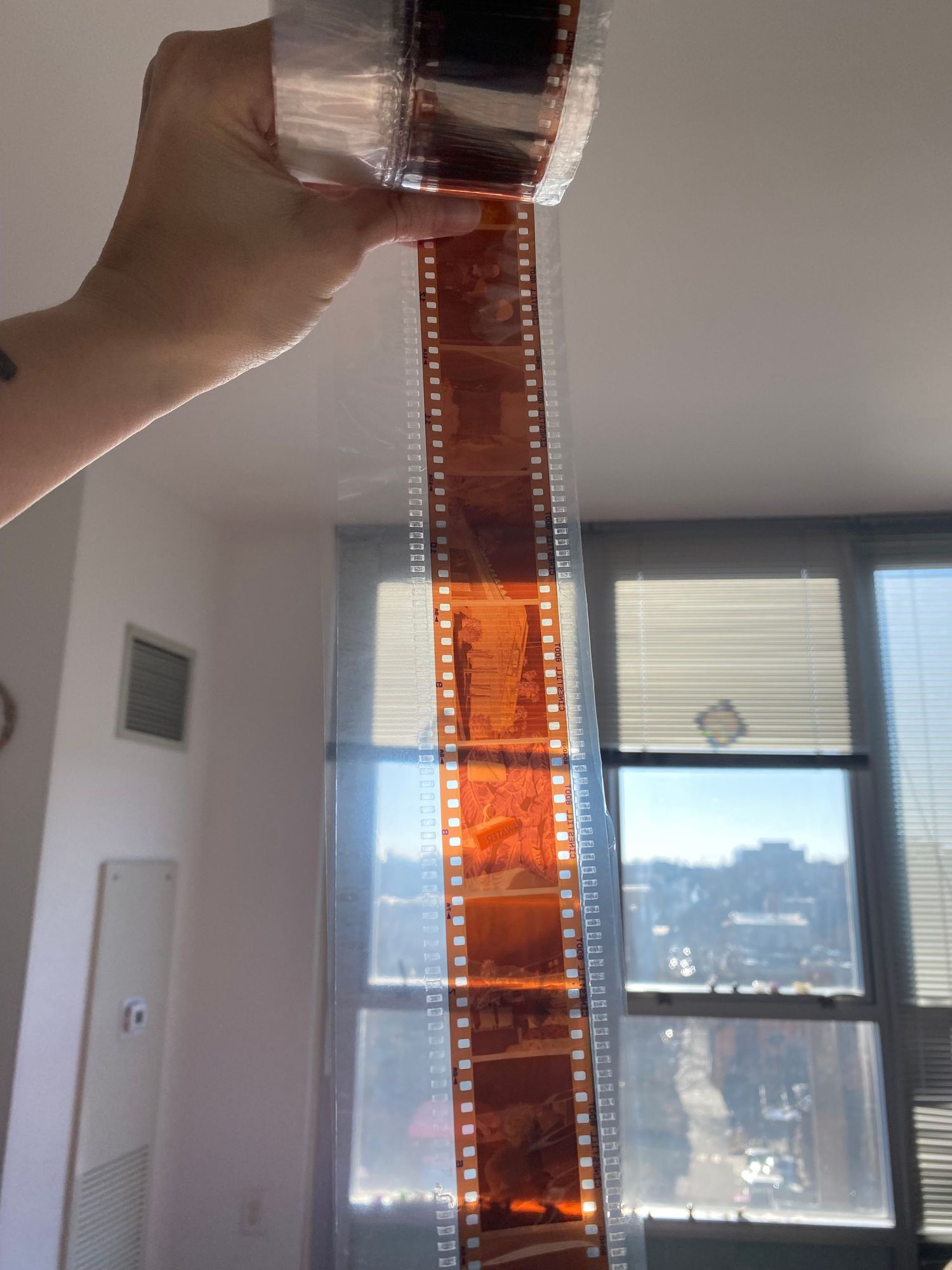
🎞️ How to Properly Store Film Negatives:
Whether you received 35mm film, Super 8 reels, or a few nostalgic Polaroids from your wedding, storing film correctly is essential to preserving its beauty and integrity.
1. Handle with Care
Always wash and dry your hands before touching negatives.
Handle negatives by the edges only—this avoids scratches, oils, and fingerprints.
2. Use Archival Sleeves
Store negatives in acid-free, archival-quality plastic sleeves or enclosures. These prevent dust, moisture, and physical damage.
3. Box It Right
Keep your sleeved negatives in an archival-quality storage box, ideally one designed for photographic materials. This protects from light and air exposure.
4. Choose the Right Environment
- Store in a cool, dry place, ideally around 65–70°F with 30–40% humidity.
- Avoid attics, basements, and garages—temperature swings and moisture are the enemy of film.
- Keep all film and prints out of direct sunlight and away from fluorescent light.
5. Vertical Storage
Store negatives vertically, not stacked or tightly rolled. This helps prevent warping or sticking over time.
6. Inspect Occasionally
Check your negatives once or twice a year. Look for early signs of deterioration like warping, color shifts, or mold, and take action if needed.
🖼️ Bonus Tip: Don’t Forget About Prints
Archival photo albums or boxes can be a beautiful and safe way to store physical prints. Look for options labeled acid-free, lignin-free, and photo safe — and avoid cheap albums with adhesive pages that yellow over time.
Final Thoughts
Whether you received a full documentary gallery with digital photos, 35mm film scans, Super 8 footage, or heirloom Polaroids, every piece deserves to be protected. Following these steps will help preserve the emotional depth, beauty, and authenticity of your day—for you now, and for those who will look back on it decades from now.
Have questions about backing up your wedding gallery or storing your negatives? We’re always happy to help our couples and fellow creatives protect their memories with care.