In the age of cloud backups and curated online galleries, there’s a quiet debate happening behind the scenes of analog photography: Should photographers deliver physical film negatives to clients, or keep them stored in-house?
If you’re new to film photography — or are a client working with a hybrid or full-film photographer — this guide will walk you through the why behind each approach, and what to consider when it comes to negatives, ownership, and long-term preservation.
First, What Are Film Negatives?
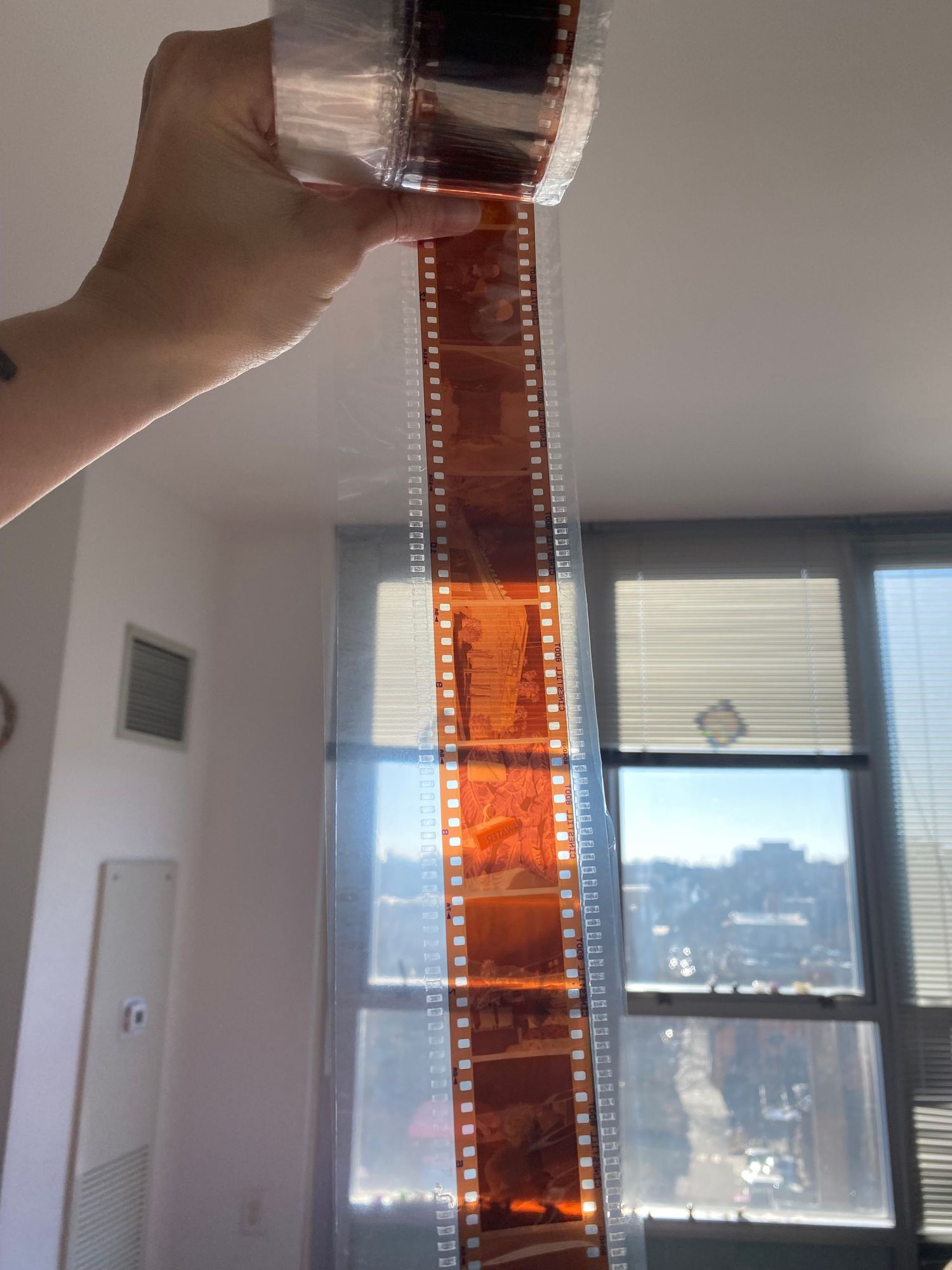
Film negatives are the original exposed film rolls developed in a lab — the physical source from which all scans and prints are made. They’re irreplaceable, delicate, and technically contain all the image data from a shoot.
If you’re shooting 35mm, 120, or other film formats, your negatives are the raw truth of your work — or your memories. And with that comes a big question of how they should be handled once developed.
Why Some Photographers Keep Negatives In-House
Photographers who shoot film professionally often choose to store negatives themselves for a number of reasons:
1. Archival Integrity
Professionals often use archival sleeves and climate-controlled storage to preserve negatives properly. Dust, heat, humidity, or bending can all permanently damage a roll — and most clients don’t have archival tools at home.
2. Future-Proofing
Technology evolves. Labs improve. If a client ever wants to rescan at higher resolution or make large-scale prints, having access to the original negatives makes that possible. Many photographers offer rescans years later because they’ve preserved the film properly in-house.
3. Liability + Protection
Negatives are one-of-a-kind. If they’re lost or mishandled after delivery, a photographer may still be asked to help or fix it — which can get murky fast. Keeping negatives means photographers can protect their clients’ work, even years later.
4. Creative Control
Some photographers prefer to handle all future rescans or darkroom prints themselves to ensure consistency, quality, and artistic integrity — especially with editorial, fine art, or high-end wedding work.
Why Some Clients Request Their Negatives
On the flip side, clients sometimes want their negatives — and there are good reasons for that too.
- Sentimental value: Some clients want to physically hold the original film that captured their memories. Especially with weddings or family sessions, negatives feel sacred.
- Total access: Clients may want full access to their materials for scanning, printing, or archiving how they see fit — especially if they’re film shooters themselves.
- Analog enthusiasts: Some people simply love film and want the full experience, including storage, framing, or future rescanning themselves.
What’s the Right Approach; Keeping FIlm Negatives or Sending Them To CLients for Safekeeping ?
There’s no one-size-fits-all answer — but here’s a general breakdown of what many professionals do...
Common Approaches to Film Negative Delivery by Scenario
Not all photographers handle film negatives the same way. Here's a quick breakdown of how negatives are typically managed across different types of work:
- Weddings / Full Client Work - Negatives are stored in-house for 1–5+ years unless delivery is included or otherwise arranged.
- Editorial / Brand Campaigns - Negatives are typically kept in house, depending on the contract and creative direction.
- Personal Sessions (Film-Only) - Negatives are typically kept in house, can sometimes be delivered upon request or offered as an optional add-on.
How & Why We DELIVER Wedding Couple's Archival Film Negatives As A Luxury Wedding Photo & Video Team:
Our Approach: We Deliver All Wedding Negatives
At Storyteller Co, we take an intentional, legacy-focused approach to film. That’s why we deliver all original film negatives to our wedding couples, after professional development and high-resolution scanning.
Here’s what that means:
1. You Receive High-Resolution Scans: There’s no need to scan anything yourself immediately — we handle all professional lab development and scanning, and you’ll receive high-res digital files in your gallery, ready to print, share, and archive.
2. We Deliver Negatives as a Long-Term Heirloom: We include your negatives not because you’ll need to use them now, but because we believe in preserving every piece of your story for future generations. Originals matter — and 50 years from now, those film strips might be the most meaningful part of what remains, and generations to come will be able to have them scanned into whatever resolution capabilities exist at the time they're viewing them!
3. We Include a Liability Release: Because film is delicate and irreplaceable, our contract includes a liability release once negatives are delivered. This clarifies that we’re no longer responsible for storage conditions or damage after they leave our care.
4. We Retain Image Rights: We retain full copyright and image usage rights to all film and digital imagery we create. This allows us to share work in our portfolio and publications while always honoring your privacy and preferences.
WANT MORE GUIDANCE ON FILM ARCHIVING?
Our Film Archiving & Delivery Guide breaks down:
- How to store 35mm and 120 negatives long-term
- What photographers should include in contracts
- How to educate clients about film scanning and negative care
- When (and how) to return negatives safely
- The best archival tools and brands for sleeves, binders, and boxes


